
Smart Growth with Square Integration Winery Software

December 4, 2025

Winery Management
UNDER THIS BLOG
The winery of the future will not be defined by stainless steel alone. It will be shaped by clarity, mobility, and systems that intuitively connect every decision from vineyard blocks to point-of-sale interactions. I have seen how this shift looks in practice, and it begins the moment everything moves under one intelligent digital roof.
The combination of a unified winery platform and a seamlessly paired payment ecosystem transforms how teams work, how customers buy, and how wineries grow.
A System That Eliminates Operational Blind Spots
Before moving to a fully integrated environment, I often felt that the winery was operating through a fog. Production data sat in one place, sales reports lived in disconnected spreadsheets, and inventory updates were always one step behind. The gaps were small individually, yet together they created a pattern that slowed decision-making.
A cloud-based operating model lifted that fog. By linking production workflows, sales insights, inventory movement, and customer interactions inside one unified platform, we finally gained an uninterrupted view of the business.
With every department speaking the same digital language, we began to operate with the rhythm of something more futuristic. There was no more waiting for reconciliations or chasing fragmented numbers. Instead, we were able to anticipate demand, adjust bottling plans intelligently, and communicate with customers in more meaningful ways.
A winery that sees itself clearly moves faster than one that operates through partial visibility.
Square Integration That Elevates the Customer Journey
The true power of square integration winery software revealed itself at the customer interface. Every purchase became smoother and more secure, which is not a small achievement in a world where hospitality depends on trust.
Square paired with the unified platform removed friction from the customer experience. Guests no longer had to re-enter information. Payment history became easy to track. Club upgrades felt natural rather than forced. And all of this occurred without the sense of technology overshadowing hospitality.
For us, the payment experience became a silent strength, something customers rarely noticed explicitly but consistently appreciated.
Mobility That Expands the Selling Perimeter
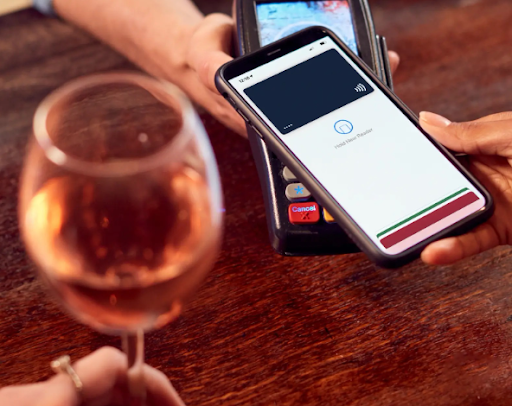
One of the most transformational shifts came from mobility. Square Terminal, paired with the fully mobile IOS application, allowed payments anywhere, even in low-signal or offline environments. Pop-up events, remote tastings, weekend markets, industry dinners, all became viable selling environments.
This mobility widened our economic footprint without stretching staff resources. Every new event became an opportunity to increase reach and gather real-time data that automatically synced back into the core system.
It created a new form of agility, a kind of commercial mobility that felt almost sci-fi in how seamlessly it operated.
Scalable Architecture That Supports Real Growth
Growth does not arrive in one dramatic leap. It appears in increments, in new production goals, in higher visitor volumes, in more complex club expectations, and in a broader digital presence.
360Winery’s modular approach allowed us to expand at the exact pace we needed. Production oversight came first, then deeper analytics, then more advanced sales and customer tools. Each step felt organic rather than disruptive.
When paired with Square’s secure transactional environment, the system supported greater transaction volumes, broader distribution, and more personalised engagement. It allowed us to grow without losing coherence.
Scalability became a strategic advantage rather than a technical challenge.
Competitive Advantages That Shift Market Position
Over time, the integrated ecosystem reshaped our competitive posture. The advantages compounded in ways we had not predicted at the beginning.
Key competitive strengths emerged:
• Real-time intelligence that supported faster, more confident decisions
• Consistent guest experiences across tasting rooms, online channels, and remote events
• Operational efficiency, reducing duplication, reconciliation delays, and manual errors
• Greater customer trust, reinforced by secure and transparent transactions
• Expanded revenue channels, thanks to mobility and unified payment processing
These advantages did not simply improve operations. They elevated the winery’s market identity, shaping us into a business that moved with precision rather than pressure.
Final Reflection
As someone who has experienced both fragmented systems and fully integrated models, I can say that the transition is more than a technical upgrade. It is a shift in how a winery thinks. With 360Winery paired with Square, the business operates with coherence, clarity, and confidence. What once felt like small inefficiencies now feel unthinkable in a modern environment.
A unified platform does not replace craftsmanship. It amplifies it by giving teams the time, intelligence, and mobility they need to build experiences worthy of the wines they create.
FAQs
1. How does square integration winery software improve tasting room performance?
It reduces checkout friction, automates customer history, and gives staff more time to engage guests rather than manage transactions, resulting in smoother service and higher conversion.
2. Does the unified system help manage off-site event sales?
Yes. Payments can be processed securely anywhere, even offline, and all sales data syncs back into the main system for accurate inventory and reporting.
3. How does an integrated system assist with long-term scaling?
By linking production, sales, and inventory data inside one platform, wineries can expand operations and increase transaction volume without losing clarity or control.
4. Can customers track their purchase history easily?
Absolutely. The integration centralises customer data, allowing buyers to review past orders and manage club preferences with minimal effort.
5. What competitive advantage does this integration create?
It provides real-time intelligence, seamless mobility, stronger customer trust, and expanded revenue opportunities, all of which help wineries differentiate themselves in a crowded market.
Discover More
October 17, 2025
Winery Management
Enhanced Operations with Cloud-Based Winery Software
Efficiency in winemaking today is no longer defined by the size of a vineyard or the scale of production, but by how intelligently data is managed and leveraged. A cloud-based winery software brings that intelligence to life, giving teams the freedom to work from anywhere, reduce errors, and make decisions grounded in real-time insight.
October 17, 2025
Winery Management
Unlocking Winery Potential: Cost of Production Costing for Wine Making
Modern winemaking demands more than artistry: it requires operational precision, financial clarity, and adaptability to market trends. Wineries today must understand both the cost of production costing for wine making and leverage scalable operational frameworks to maintain profitability.